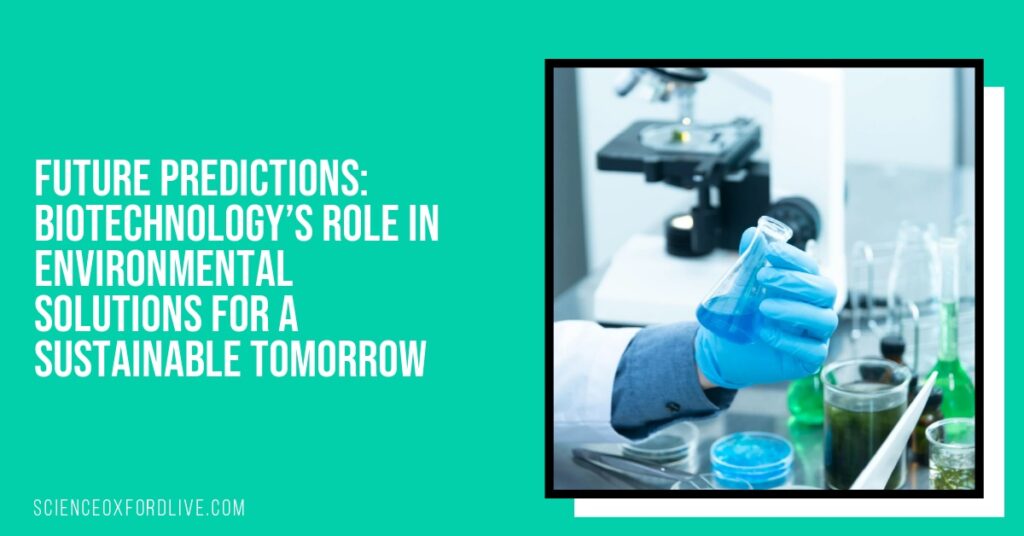
Overview Of Biotechnology In Environmental Cleanup
Biotechnology harnesses biological processes to solve environmental problems. It involves using organisms, like bacteria and plants, to decontaminate polluted environments. This method is known as bioremediation. Bioremediation can treat soil, water, and air contaminants. It provides a natural, effective alternative to traditional cleanup methods.
Microbes play a critical role in bioremediation. Genetically engineered bacteria can break down toxic substances like petroleum hydrocarbons and heavy metals. For instance, the bacterium Pseudomonas putida degrades oil spills, while Deinococcus radiodurans removes radioactive waste. These microbes adapt to various environments, making them versatile tools.
Phytoremediation uses plants to absorb contaminants from the soil and water. Plants like willows and poplars can extract heavy metals and organic pollutants. They offer an eco-friendly cleanup method by stabilizing and restoring contaminated sites. This technology’s use is growing in urban and industrial areas.
Biosensing monitors environmental pollutants in real-time. Engineered microorganisms act as biosensors to detect contaminants. These biosensors provide quick, accurate data on pollution levels, helping us manage and mitigate environmental risks effectively.
Biotechnological advances continually improve bioremediation efficiency. Emerging technologies like CRISPR enhance microbial degradation pathways, making them more effective. These innovations promise better cleanup outcomes and broader applications.
Recent Advances In Biotechnology For Environmental Cleanup
Recent advances in biotechnology are transforming environmental cleanup methods, making them more efficient and effective. Innovations in genetically modified organisms, enzymatic degradation, and phytoremediation are at the forefront of this progress.
Genetically Modified Organisms
Genetically modified organisms (GMOs) have become vital in bioremediation. Researchers design these organisms to degrade specific pollutants. For instance, Pseudomonas putida has been engineered to break down toluene and other toxic hydrocarbons. Deinococcus radiodurans, known for its resistance to radiation, has been modified to detoxify heavy metals such as mercury, making it useful in radioactive waste sites. These advances enhance the speed and efficiency of pollutant removal.
Enzymatic Degradation
Enzymatic degradation involves using enzymes to break down pollutants. Scientists have identified enzymes capable of degrading complex organic compounds. For example, laccases can oxidize phenolic pollutants, while peroxidases are effective against textile dyes. Advanced techniques like protein engineering are improving enzyme stability and activity, enabling them to function under harsh environmental conditions, thus broadening their application scope.
Phytoremediation
Phytoremediation uses plants to absorb and sequester contaminants from soil and water. Advances in this field include genetically modified plants with enhanced uptake abilities. For example, transgenic willows and poplars can efficiently remove heavy metals like cadmium and lead. Additionally, research is improving plant-microbe interactions to boost phytoremediation efficiency. These developments are making phytoremediation a more viable option for large-scale environmental cleanup projects.
Current Challenges And Limitations
Although biotechnology shows promise in environmental cleanup, several challenges and limitations persist.
Cost And Accessibility
Implementing bioremediation techniques incurs significant costs. Initial research, development, and field application of genetically engineered organisms involve high expenses. For example, the development and deployment of a genetically modified bacterium to degrade pollutants can exceed $1 million. Access to these technologies might be limited in developing regions lacking financial and technical resources.
Regulatory And Ethical Concerns
Genetically modified organisms (GMOs) pose regulatory and ethical issues. Governments establish stringent regulations to ensure safe deployment of GMOs. For instance, in the US, the Environmental Protection Agency (EPA) oversees the use of GMOs in environmental applications. Ethical concerns include the potential impact on natural ecosystems and biodiversity, raising questions about the long-term consequences of introducing engineered species into the environment.
Predictions For Future Innovations
Anticipations suggest biotechnology will continually evolve, integrating cutting-edge techniques for environmental cleanup. Let’s delve into potential advancements in specific areas.
Artificial Intelligence And Machine Learning
Artificial intelligence (AI) and machine learning (ML) predict a transformational shift in bioremediation. AI-powered models will facilitate the identification of optimal microorganisms for specific pollutants, enhancing cleanup efficiency. For instance, ML can analyze vast datasets to predict the behavior of pollutants, enabling proactive measures. As computational power increases, these technologies will offer real-time data processing, improving environmental monitoring and response times.
Synthetic Biology
Synthetic biology presents promising innovations for environmental cleanup. By designing synthetic organisms with customized traits, we can target pollutants with unprecedented precision. For example, scientists can engineer bacteria to metabolize toxins more efficiently than natural variants. These designer microbes aim to break down complex chemicals, providing targeted solutions for diverse contamination scenarios. Ongoing advancements in genome editing tools, like CRISPR, will expedite the development of such organisms, offering scalable solutions for various ecosystems.
Integration With Traditional Methods
Future strategies will likely integrate biotechnological interventions with conventional cleanup methods. Combining physical, chemical, and biological techniques can maximize remediation outcomes. For instance, coupling phytoremediation with soil washing can address heavy metal contamination more thoroughly. As regulatory frameworks evolve, this multidisciplinary approach will become more practical, ensuring comprehensive and sustainable environmental restoration efforts.
Case Studies Of Successful Implementations
Exxon Valdez Oil Spill
In 1989, the Exxon Valdez oil spill released 11 million gallons of crude oil into Prince William Sound, Alaska. Scientists used bioremediation to clean the contaminated shoreline. By introducing nitrogen and phosphorus fertilizers, they stimulated indigenous bacteria capable of degrading hydrocarbons. This approach accelerated the natural biodegradation process and significantly reduced the ecological impact. According to the Environmental Protection Agency, within a year, treated shorelines exhibited noticeably less oil.
Chernobyl Nuclear Disaster
After the 1986 Chernobyl nuclear disaster, scientists explored phytoremediation to manage radioactive contamination. Sunflowers emerged as a viable solution due to their ability to absorb heavy metals like cesium and strontium from the soil. Planted in the exclusion zone, these sunflowers helped reduce hazardous substance levels, demonstrating the effectiveness of plants in bioremediation. A study published in the Journal of Environmental Radioactivity highlighted the substantial decrease in soil radioactivity following sunflower cultivation.
Hudson River PCB Cleanup
General Electric (GE) employed bioremediation to address polychlorinated biphenyls (PCBs) contamination in the Hudson River. GE utilized specific bacterial strains to break down PCBs in sediment beds. This microbial process facilitated the detoxification of one of the most polluted river systems in the United States. According to the New York State Department of Environmental Conservation, these efforts significantly reduced PCB concentrations and improved the river’s overall health.
Gulf of Mexico Oil Spill
The 2010 Deepwater Horizon spill discharged 4.9 million barrels of oil into the Gulf of Mexico. Researchers employed genetically engineered bacteria to speed up oil degradation. These microbes, designed to digest hydrocarbons more efficiently, helped mitigate the spill’s environmental damage. A report by the National Oceanic and Atmospheric Administration noted a marked improvement in water quality in areas treated with bioremediation techniques.
Bhopal Gas Tragedy
Following the 1984 Bhopal gas tragedy, bioremediation became a key strategy to clear soil and water contamination. Phytoremediation with mustard plants and bacteria-assisted degradation addressed heavy metal and pesticide pollutants in the affected area. This approach resulted in significant toxic substance reductions. The Council of Scientific and Industrial Research of India reported a dramatic drop in soil contamination levels through these combined biotechnological efforts.
Lake Erie Algal Blooms
Lake Erie suffered recurrent harmful algal blooms due to agricultural runoff. Scientists implemented bioremediation strategies, including the introduction of algae-eating bacteria, to restore lake health. This bacterial action curbed harmful algae proliferation and balanced the lake’s ecosystem. A study in the Journal of Great Lakes Research outlines how this biotechnological intervention restored water quality over several seasons.
These cases illustrate the profound impact and diverse applications of biotechnology in environmental cleanup.
Conclusion
Biotechnology has shown tremendous promise in tackling environmental pollution through innovative bioremediation techniques. By leveraging genetically engineered organisms and real-time biosensing, we’ve seen effective cleanups of some of the world’s most notorious environmental disasters. As we look to the future, integrating artificial intelligence, machine learning, and synthetic biology will likely enhance these efforts even further.
The potential for biotechnological advancements to address pollution challenges is immense. With continued research and development, we can expect more efficient and cost-effective solutions, ultimately leading to a healthier planet for all.

- Boost Growth with Plant Automation Systems - February 19, 2026
- Continuous Improvement in Manufacturing: Eliminating the Six Big Losses - December 26, 2025
- Paying Agent Services for Secure and Transparent SaaS Transactions - September 12, 2025