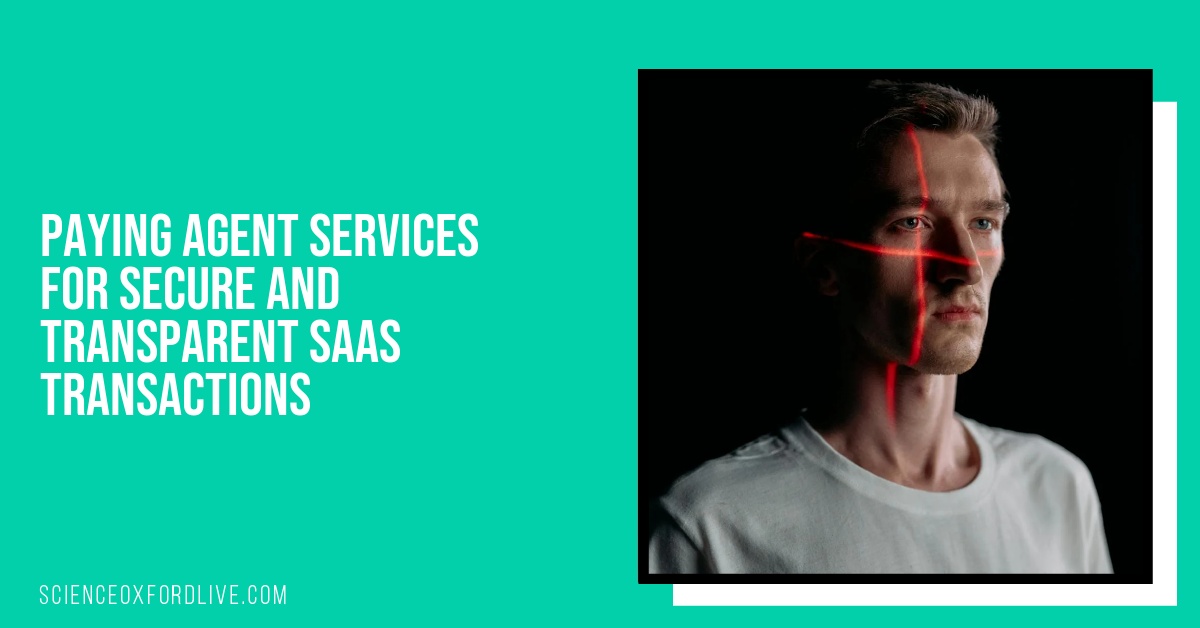
Trust is the bedrock of the digital economy. For SaaS businesses, secure, fair, and transparent financial transactions are essential. Companies and their customers demand assurance that payments are protected and handled ethically.
Certified paying agent services provide the foundation for this trust, ensuring that financial transactions are managed with the highest standards of security and compliance. A lapse in payment security can erode customer confidence, damage brand reputation, and ultimately impact revenue.
This article explores the science behind secure payment systems, examining how they protect transactions, cultivate trust, and address the ethical considerations vital for sustainable growth. Actionable insights are provided for SaaS leaders to implement and create a trustworthy payment environment.
Understanding Secure Payment Systems
Secure payment systems are a complex structure built on layers of technology, each designed to safeguard sensitive data and prevent fraud. These systems are cornerstones of customer confidence and business reputation. A single breach can lead to significant churn, making security a crucial investment.
Core Components of a Secure Payment Infrastructure
Critical components form a multi-layered defense system protecting valuable financial data:
Encryption
Encryption transforms sensitive data into an unreadable format, rendering it useless to unauthorized parties. This process is fundamental to data security; even if data is intercepted, it remains indecipherable without the correct decryption key.
- Advanced Encryption Standard (AES) and RSA are common encryption algorithms recognized by NIST cryptographic standards
- The algorithm choice depends on data sensitivity and system performance needs
- Without robust encryption, sensitive customer data is vulnerable to interception, leading to potential fraud and legal repercussions
Payment Gateways
Payment gateways act as secure intermediaries, facilitating the transfer of funds between customers, merchants, and banks. They verify payment details and ensure funds are transferred smoothly without exposing sensitive financial information.
- A payment gateway integrates seamlessly with various payment methods, offering customers flexibility and choice
- The security of the payment gateway is paramount, as it represents a single point of potential vulnerability
- Choosing a PCI DSS-compliant gateway is a foundational step in securing payments
Tokenization
Tokenization replaces sensitive cardholder data, such as credit card numbers, with non-sensitive “tokens.” These tokens are useless to hackers because they cannot be reversed to reveal the actual card details.
- Merchants store the token, rather than the actual credit card number, dramatically reducing the risk of data breaches
- Tokenization is valuable for SaaS businesses that handle recurring payments, as it allows them to store payment information securely without increasing their risk profile
- Without tokenization, storing credit card data directly puts your business at significant risk of a data breach
Multifactor Authentication (MFA)
MFA adds layers of security by requiring users to provide multiple forms of identification. This could include a password, a code sent to their phone, or a biometric scan.
- MFA significantly reduces the risk of unauthorized access, even if a password is compromised
- The implementation of MFA should be user-friendly to avoid frustrating customers, balancing security with convenience
- A poorly implemented MFA system can lead to customer frustration and abandonment
Fraud Detection Systems
Fraud detection systems act as vigilant guardians of financial transactions. They monitor transactions in real-time, identifying suspicious patterns and anomalies.
- Algorithms and machine learning power these systems, enabling them to adapt and stay ahead of evolving fraud techniques
- These systems analyze various data points, such as transaction amount, location, and time, to assess the risk of fraud
- A fraud detection system might flag a transaction originating from a country where the customer hasn’t previously made purchases, especially if the transaction amount is significantly higher than their average spend
PCI DSS Compliance
Payment Card Industry Data Security Standard (PCI DSS) compliance is a mandatory set of security standards for organizations that handle credit card information.
- Adhering to PCI DSS standards demonstrates a commitment to security and ensures a consistently high level of security across the payment processing structure
- Achieving and maintaining PCI DSS compliance can be challenging, requiring ongoing monitoring, assessment, and remediation
- Failure to comply with PCI DSS can result in hefty fines and a loss of the ability to process credit card payments
These components, working together, create a resilient payment system, safeguarding financial data and fostering trust. Secure payments are dynamic, requiring continuous adaptation to emerging threats. Neglecting any of these components creates vulnerabilities that attackers can exploit.
Advantages of Digital Payments for SaaS Growth
Digital payments offer benefits for SaaS businesses, impacting efficiency, security, and scalability. These advantages must be viewed alongside potential ethical considerations.
Accelerated Cash Flow
Digital payment methods expedite payment processing, enabling businesses to receive funds more quickly and predictably. This improved cash flow provides greater financial flexibility, facilitating investments in growth and innovation. For SaaS businesses, this can translate to faster product development cycles and quicker responses to market demands.
Cost Reduction
Digital payments minimize the need for manual processing, reducing administrative overhead.
- Costs associated with printing, postage, and manual reconciliation are significantly reduced
- Automated accounts payable systems streamline invoice processing and payment execution, freeing up resources for strategic initiatives
Enhanced Security Measures
Digital payments reduce the risk of fraud compared to traditional methods.
- Electronic systems incorporate security measures, making them less vulnerable to theft and manipulation
- Tracking and audit trails simplify transaction monitoring and anomaly detection
Convenience and Speed for Customers
Digital payment systems offer convenience and speed for both businesses and customers.
- Faster transactions enhance customer satisfaction and foster loyalty
- Digital wallets and mobile payment apps streamline the payment experience, making it easier for customers to pay for services
Scalability for Growth
Digital payment solutions are scalable, enabling businesses to manage increasing transaction volumes without significant infrastructure investments.
- This scalability is essential for SaaS companies experiencing rapid growth or seasonal fluctuations in demand
- Integration capabilities with existing accounting and Enterprise Resource Planning (ERP) systems further enhance efficiency
Ethical Considerations in Digital Payments
Digital payments offer efficiency gains. SaaS businesses must address ethical considerations to maintain customer trust and avoid reputational damage. Access, fairness, and privacy must be central to payment system design.
Financial Inclusion
Payment systems must be accessible to everyone, regardless of their abilities or economic status.
- Accessible design considerations include user-friendly interfaces for people with disabilities, simplified payment processes, and affordable payment methods
- Offering a variety of payment options, including those accessible to users with limited technological access, is one way to ensure financial inclusion
Fair Treatment of Users
Users deserve protection from intrusive data collection practices that compromise their privacy.
- Payment systems must be reliable, secure, and transparent
- Fair cost distribution ensures that the costs of payment processing are allocated equitably among stakeholders, avoiding unfair pricing or hidden fees
Bridging the Digital Divide
Efforts must be made to bridge the digital divide and ensure that everyone has access to the technology and skills needed to participate.
- Investments in digital literacy programs and infrastructure development in underserved communities are essential
Data Privacy and Consumer Protection
Digital payments generate vast amounts of data. Data protection measures are essential.
- Companies must be transparent about their data collection practices and obtain informed consent from users
- Consumer protection laws should be updated to address the unique challenges posed by digital financial services, such as fraud and data breaches
- Data minimization—collecting only the data necessary for a specific purpose—is a key principle of ethical data handling
- SaaS companies must prioritize data privacy to build trust and comply with regulations like GDPR
Securing Future SaaS Payments
The digital payments environment evolves, driven by technological innovation and emerging security threats. Staying ahead requires continuous adaptation and a proactive approach to payment system design.
AI-Powered Security Enhancements
Artificial intelligence (AI) and machine learning are transforming fraud detection and risk management.
- AI algorithms analyze datasets in real-time, identifying suspicious patterns and preventing fraudulent transactions
- Machine learning models can adapt to evolving fraud techniques, improving detection accuracy and reducing false positives
- AI can also automate compliance tasks, reducing the administrative burden on SaaS businesses
- However, SaaS businesses must be careful to avoid creating a negative customer experience through false positives
Advanced Authentication Techniques
More secure authentication methods are essential for verifying user identities and preventing unauthorized access.
- Biometric authentication (fingerprint, facial recognition, voice recognition) and behavioral biometrics (analyzing typing speed, mouse movements) offer avenues for enhancing security
- Each method has its own strengths and weaknesses in terms of security, usability, and cost
- Implementing biometric authentication in a SaaS environment presents challenges related to privacy concerns and device compatibility
Blockchain and Cryptocurrencies in Payments
Blockchain technology has the potential to create more secure and transparent payment systems.
- Cryptocurrencies are gaining traction as alternative payment methods, but their volatility and regulatory uncertainty remain challenges
- While cryptocurrencies offer potential benefits, SaaS businesses must carefully consider the security and compliance implications before accepting them
Proactive Threat Management
Continuous monitoring and analysis of security threats are crucial for adapting to evolving risks.
- Investing in security measures and fostering a culture of security awareness are essential for maintaining trust
- Threat intelligence platforms provide insights into emerging threats, enabling SaaS businesses to proactively address vulnerabilities
Streamlining Global Payments with Paying Agent Services
Paying agent services simplify and secure global payments for SaaS businesses. These services act as intermediaries, managing the complexities of international transactions, reducing fraud risks, and ensuring compliance with local regulations.
- For SaaS businesses with international customers, paying agents can significantly reduce the burden of managing multiple currencies and payment methods
- When selecting a paying agent, SaaS businesses should prioritize security, compliance, and experience in the SaaS industry
Building a Secure and Ethical Payment System
Understanding secure payments, paying agent services, and ethical considerations are essential for SaaS businesses. By focusing on security, embracing digital payments, and upholding ethical principles, businesses can foster a more secure and equitable financial system.
- A secure and ethical payment system protects your business and customers, enhances your brand reputation, and fosters long-term customer loyalty
- Staying informed and proactive in adopting security practices will be crucial for safeguarding financial assets and maintaining customer trust
- The evolution of payment security requires a commitment to continuous learning and adaptation, ensuring financial transactions are safe, fair, and transparent

- Boost Growth with Plant Automation Systems - February 19, 2026
- Continuous Improvement in Manufacturing: Eliminating the Six Big Losses - December 26, 2025
- Paying Agent Services for Secure and Transparent SaaS Transactions - September 12, 2025