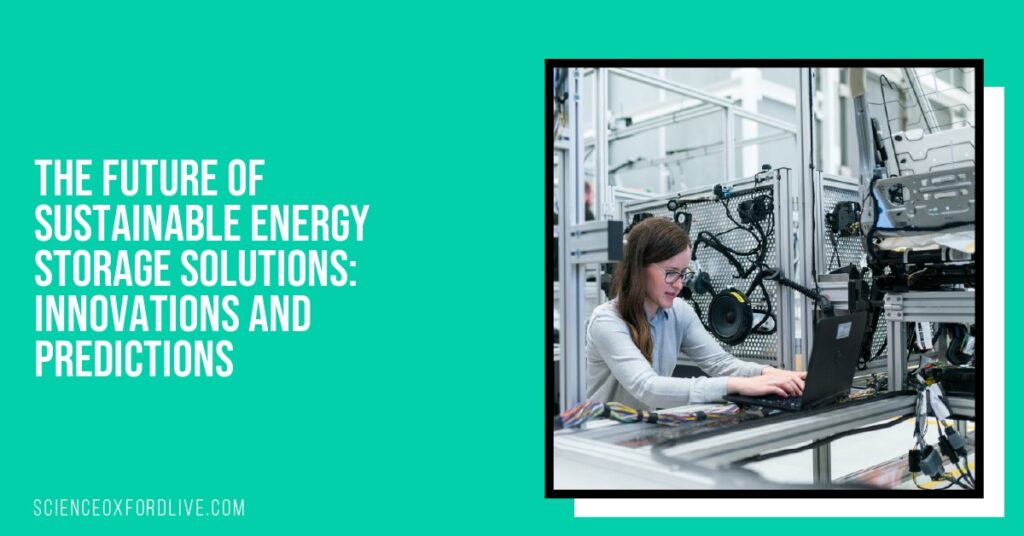
Sustainable energy storage is key to our transition to renewable energy sources. It plays a vital role in balancing supply and demand, ensuring the stability of the power grid. Advanced energy storage technologies like lithium-ion batteries, pumped hydro storage, and compressed air energy storage allow us to store excess energy generated during peak production times and release it when demand is high.
Adopting sustainable energy storage systems reduces reliance on fossil fuels. By storing renewable energy, we can use it during periods of low production, such as cloudy days for solar power or windless days for wind power. This increases the reliability of renewable energy sources and reduces greenhouse gas emissions, contributing to a cleaner environment.
Energy storage also enhances grid resilience. In times of natural disasters or grid failures, stored energy can supply critical power, ensuring continuity of essential services. This is particularly crucial for hospitals, emergency services, and critical infrastructure.
Furthermore, sustainable energy storage drives economic benefits. It creates jobs in the energy sector, from research and development to manufacturing and maintenance of storage systems. Investments in energy storage technologies can spur economic growth and make renewable energy more affordable in the long run.
Sustainable energy storage is essential for a stable, green, and resilient energy future. Integrating these technologies into our energy systems supports the global shift towards a more sustainable, economically viable, and environmentally friendly energy landscape.
Current Energy Storage Technologies
Advancements in energy storage technologies are crucial for transitioning to renewable energy sources. Here, we highlight some of the most effective solutions currently in use.
Lithium-Ion Batteries
Lithium-ion batteries dominate the energy storage market due to their high energy density and efficiency. These batteries are widely used in electric vehicles, portable electronics, and grid storage systems. According to the U.S. Department of Energy, lithium-ion batteries can achieve efficiencies of up to 90%. The technology allows for rapid charging and discharging cycles, making it ideal for balancing intermittent renewable energy sources like solar and wind.
Flow Batteries
Flow batteries offer long-duration energy storage solutions. They work by circulating liquid electrolytes through external tanks, providing scalability and flexibility. These batteries maintain a consistent energy capacity over extensive cycles. Flow batteries, such as vanadium redox and zinc-bromine, are particularly useful for grid storage and renewable energy integration. Their ability to provide large-scale storage for hours to days makes them excellent for stabilizing the grid during peak demand.
Compressed Air Energy Storage
Compressed Air Energy Storage (CAES) uses excess energy to compress air and store it in underground caverns or tanks. When energy demand rises, the compressed air is released to drive turbines, generating electricity. CAES systems offer storage capacities ranging from 50 to 300 megawatts, suitable for large-scale applications. The efficiency of CAES can reach up to 70% when integrated with thermal storage systems. These systems are reliable for their ability to store significant energy amounts for extended periods.
By understanding these existing technologies, we can better appreciate the innovations needed for a sustainable energy future.
Emerging Sustainable Energy Storage Solutions
Innovative energy storage solutions keep the promise of a sustainable and efficient energy future. These developments expand on existing battery and storage technologies by offering enhanced performance and scalability.
Solid-State Batteries
Solid-state batteries use solid electrolytes instead of liquid ones to increase safety and energy density. They offer longer life cycles because they reduce the risk of leakage and combustion. Examples include lithium metal solid-state batteries, which provide higher storage capacities than traditional lithium-ion batteries. Such advancements make them ideal for electric vehicles (EVs) and portable electronics.
Hydrogen Storage
Hydrogen storage involves using hydrogen as an energy carrier. It stores large amounts of energy in small volumes under high-pressure or liquid states. This storage method is effective for grid-scale applications and enables renewable energy integration. Hydrogen fuel cells, a common example, convert stored hydrogen into electricity and are applicable in transportation and stationary power generation.
Thermal Energy Storage
Thermal energy storage captures and stores heat energy from renewable sources like solar power. These systems convert solar energy into thermal energy, which is stored in materials like molten salts. This stored thermal energy can then be converted back to electricity when needed. Concentrated solar power plants are prime examples, as they use thermal storage to generate electricity even during non-sunlight hours.
Challenges And Limitations
Sustainable energy storage solutions offer great potential, but several obstacles hinder widespread adoption. Let’s examine the primary challenges and limitations.
Cost Implications
High initial costs remain a significant barrier to sustainable energy storage solutions. Advanced technologies like solid-state and flow batteries require substantial investment in research, development, and infrastructure. For instance, according to the International Renewable Energy Agency (IRENA), the cost of utility-scale battery storage systems can range from $200 to $450 per kilowatt-hour. Additionally, maintenance and operational costs can deter potential adopters, especially when compared to traditional energy storage methods.
Environmental Impact
While sustainable energy storage solutions aim to reduce ecological footprints, some components pose environmental risks. For example, mining lithium and other rare earth elements for battery production can lead to habitat destruction and water contamination. Improper disposal of used batteries can result in toxic substance leakage, impacting soil and water quality. Addressing these issues requires sustainable resource management and recycling initiatives to minimize environmental harm.
Technological Barriers
Several technological barriers limit the effectiveness of sustainable energy storage solutions. Energy density remains a critical challenge, with current technologies struggling to match the efficiency of fossil fuel-based systems. For example, lithium-ion batteries, while widely used, can experience thermal runaway, leading to safety concerns. Furthermore, integrating these storage solutions into existing grid infrastructure requires significant upgrades, posing additional challenges. Research and development in areas like materials science and grid integration are vital for overcoming these technological hurdles.
Our ongoing efforts to address these challenges will pave the way for a more sustainable energy future.
Future Trends And Innovations
Advancing sustainable energy storage solutions involves leveraging emerging trends and innovations to overcome existing challenges. These developments can significantly enhance efficiency and integration, bolstering the transition to renewable energy sources.
Smart Grid Integration
Smart grid integration optimizes energy storage through real-time monitoring and management. Advanced sensors measure energy usage, allowing systems to adjust storage and distribution dynamically. Incorporating distributed energy resources (DERs), such as residential solar and community wind projects, decentralizes generation and reduces transmission losses. Ensuring seamless communication between energy storage systems and smart grids supports enhanced resilience and reliability, especially during peak demand or emergencies.
Advanced Materials
Advanced materials promise substantial improvements in energy storage capabilities. Solid-state batteries, utilizing solid electrolytes, offer higher energy densities and improved safety compared to traditional lithium-ion batteries. Nanomaterials, like graphene and carbon nanotubes, enhance the conductivity and capacity of storage devices. Research into organic batteries, made from abundant and biodegradable materials, aims to provide environmentally friendly alternatives. Utilizing advanced materials addresses key limitations in energy density, cycle life, and safety, propelling the development of next-generation storage technologies.
Policy And Regulatory Support
Policy and regulatory support drives the adoption of innovative energy storage solutions. Financial incentives, including tax credits and grants, reduce initial investment costs for emerging technologies. Implementing standardized regulations ensures safety and reliability across different storage systems. Establishing clear guidelines for integrating storage solutions into existing grids encourages market confidence and investment. Supportive policies and frameworks foster an environment conducive to rapid advancements and deployment of sustainable energy storage technologies.
Incorporating these future trends and innovations into our energy infrastructure is essential to achieving a stable, efficient, and sustainable energy future.
Conclusion
As we look ahead, it’s evident that sustainable energy storage solutions will play a pivotal role in our renewable energy future. Embracing advanced technologies like solid-state batteries and integrating smart grids will be key. Overcoming challenges such as cost and environmental impact requires innovation and strong policy support. By investing in these areas, we’re not just enhancing energy efficiency but also paving the way for a cleaner, more resilient energy landscape. Let’s continue to push the boundaries of what’s possible and work towards a sustainable future for all.
Jennifer Radtke is a dedicated science communicator and writer for Science Oxford Live. With a deep-seated passion for both historical and contemporary scientific advancements, she excels in bridging the gap between past breakthroughs and future innovations.
We use cookies on our website to give you the most relevant experience by remembering your preferences and repeat visits. By clicking “Accept All”, you consent to the use of ALL the cookies. However, you may visit "Cookie Settings" to provide a controlled consent.
This website uses cookies to improve your experience while you navigate through the website. Out of these, the cookies that are categorized as necessary are stored on your browser as they are essential for the working of basic functionalities of the website. We also use third-party cookies that help us analyze and understand how you use this website. These cookies will be stored in your browser only with your consent. You also have the option to opt-out of these cookies. But opting out of some of these cookies may affect your browsing experience.
Necessary cookies are absolutely essential for the website to function properly. These cookies ensure basic functionalities and security features of the website, anonymously.
Cookie
Duration
Description
cookielawinfo-checkbox-analytics
11 months
This cookie is set by GDPR Cookie Consent plugin. The cookie is used to store the user consent for the cookies in the category "Analytics".
cookielawinfo-checkbox-functional
11 months
The cookie is set by GDPR cookie consent to record the user consent for the cookies in the category "Functional".
cookielawinfo-checkbox-necessary
11 months
This cookie is set by GDPR Cookie Consent plugin. The cookies is used to store the user consent for the cookies in the category "Necessary".
cookielawinfo-checkbox-others
11 months
This cookie is set by GDPR Cookie Consent plugin. The cookie is used to store the user consent for the cookies in the category "Other.
cookielawinfo-checkbox-performance
11 months
This cookie is set by GDPR Cookie Consent plugin. The cookie is used to store the user consent for the cookies in the category "Performance".
viewed_cookie_policy
11 months
The cookie is set by the GDPR Cookie Consent plugin and is used to store whether or not user has consented to the use of cookies. It does not store any personal data.
Functional cookies help to perform certain functionalities like sharing the content of the website on social media platforms, collect feedbacks, and other third-party features.
Performance cookies are used to understand and analyze the key performance indexes of the website which helps in delivering a better user experience for the visitors.
Analytical cookies are used to understand how visitors interact with the website. These cookies help provide information on metrics the number of visitors, bounce rate, traffic source, etc.
Advertisement cookies are used to provide visitors with relevant ads and marketing campaigns. These cookies track visitors across websites and collect information to provide customized ads.