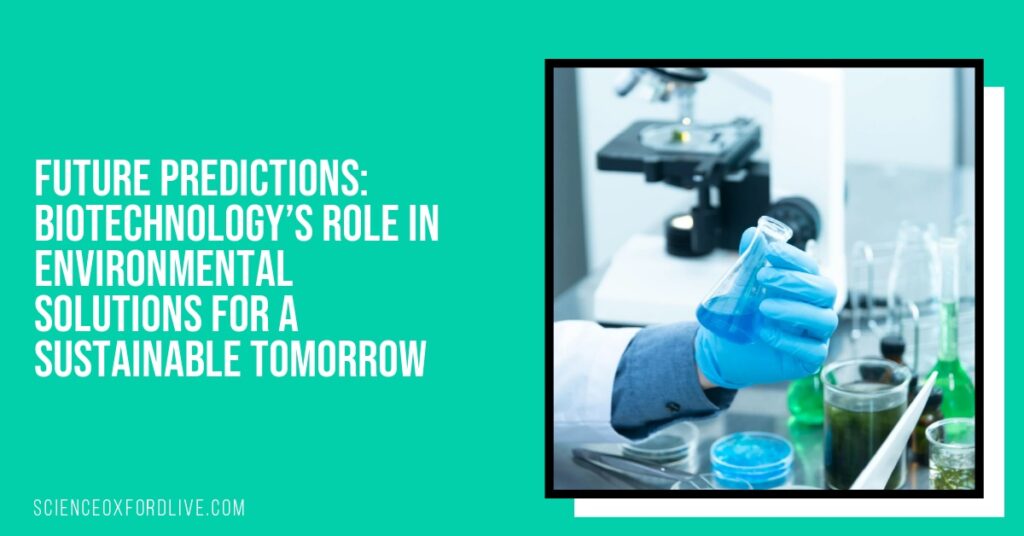
Overview Of Biotechnology Environmental Solutions
Biotechnology offers promising solutions for numerous environmental challenges. Our world increasingly relies on innovative biotech to reduce carbon footprints, rehabilitate polluted ecosystems, and drive environmental conservation.
Carbon Reduction
Biotech innovations play a critical role in carbon reduction. Genetically modified plants (e.g., algae) significantly increase carbon absorption rates, making them effective carbon sinks. Enzyme engineering also creates sustainable biofuels, reducing reliance on fossil fuels and minimizing greenhouse gas emissions.
Ecosystem Rehabilitation
Biotech aids in ecosystem rehabilitation through bioremediation. Microorganisms (e.g., bacteria and fungi) break down pollutants, cleaning contaminated soil and water. Phytoremediation employs plants (e.g., poplars) to absorb and detoxify pollutants from the environment.
Environmental Conservation
Biotechnological advancements revolutionize environmental conservation. Genetic diversity preservation ensures resilient species survival. Gene editing (e.g., CRISPR) helps protect endangered species by enhancing their adaptability to changing environments.
Waste Management
Biotechnology enhances waste management practices. Biodegradable plastics derived from microbial fermentation reduce plastic pollution. Waste-to-energy technologies convert organic waste into bioenergy, providing sustainable energy sources and reducing landfill dependency.
Monitoring And Assessment
Biotechnology improves environmental monitoring and assessment. Biosensors detect pollutants at trace levels, enabling early intervention. Synthetic biology creates responsive organisms that signal contamination, facilitating immediate remediation efforts.
Innovative biotechnology solutions continue to evolve, offering hope for a greener, more sustainable future. Our focus on these advancements will drive significant progress in addressing environmental challenges.
Current Applications Of Biotechnology
Biotechnology offers various methods that address pressing environmental issues. Its practical applications span waste management, water purification, and soil remediation.
Waste Management
Biodegradable plastics derived from plant-based materials significantly reduce landfill waste. These plastics degrade naturally over time, minimizing pollution. Additionally, waste-to-energy technologies convert organic waste into biogas and biofuels, providing sustainable energy sources. Microbial decomposition accelerates organic waste breakdown, improving composting processes and reducing methane emissions. According to the EPA, the US generated about 292.4 million tons of waste in 2018, with biotechnological innovations playing a key role in managing this vast amount.
The environmental reach of biotechnology does not stop at solid waste — it extends naturally into the hydrological systems that sustain all life. As biodegradable materials and waste-to-energy processes reduce the volume of pollutants entering ecosystems, the next frontier lies in actively restoring the water supplies those pollutants have already compromised. Innovations in clean water purification and remediation technologies are rapidly converging with biological approaches, offering a cohesive pipeline that takes environmental recovery from landfill to watershed in a single, integrated strategy.
Water Purification
Biotechnological methods like bioremediation efficiently remove contaminants from water. Using bacteria and fungi, these processes break down hazardous substances, making water safe for consumption and reducing environmental impact. Algal treatments absorb heavy metals and other pollutants, facilitating cleaner water bodies. Enzyme-based filtration systems offer precise contaminant removal, enhancing water quality. The World Health Organization states that 2 billion people lack access to clean water, underscoring the urgency for advanced purification solutions.
Soil Remediation
Phytoremediation leverages plants to absorb and contain soil pollutants. These plants extract heavy metals and organic pollutants, which can then be safely removed. Bioaugmentation introduces specific microorganisms to contaminated sites, accelerating the degradation of pollutants. Soil microorganisms play a crucial role in breaking down hazardous substances and restoring soil health. The USDA reported over 100 million acres of US land affected by pollutants, highlighting the significant impact of biotechnological soil remediation techniques.
Biotechnology’s current applications demonstrate its potential in effectively addressing environmental challenges and promoting sustainability.
Innovations In Biotechnology For Environmental Solutions
Innovations in biotechnology offer promising solutions addressing environmental challenges. Our focus includes genetic engineering, bioremediation, and bioenergy production.
Genetic Engineering
Genetic engineering enables precise alterations to an organism’s DNA, optimizing characteristics for environmental benefits. For instance, genetically modified crops can resist pests and tolerate extreme weather, reducing the need for chemical pesticides. Engineered microbes, designed to degrade pollutants, help in cleaning contaminated environments efficiently. Recent advancements such as CRISPR-Cas9 technology have enhanced our ability to edit genes with high precision, paving the way for more impactful environmental applications.
Bioremediation
Bioremediation leverages natural organisms to detoxify polluted environments. Microbial populations break down hazardous substances into less harmful ones. For example, oil spills in marine environments are addressed using bacteria that consume hydrocarbons. Fungi, with their extensive enzyme libraries, also play a significant role in decomposing complex pollutants like heavy metals and pesticides. Implementing bioremediation techniques reduces reliance on chemical treatments, fostering a more sustainable approach to pollution management.
Bioenergy Production
Bioenergy production harnesses biological processes to generate renewable energy. Microorganisms convert organic materials into biofuels such as biodiesel and bioethanol. Algae, known for their rapid growth, produce high yields of biofuel precursors, making them a viable energy source. Anaerobic digestion processes organic waste, producing biogas rich in methane, suitable for electricity generation. By focusing on bioenergy, we can reduce dependency on fossil fuels and lower greenhouse gas emissions.
Innovations in biotechnology are pivotal in developing robust environmental solutions. Our ongoing research and technological advancements continue to shape a sustainable future, addressing critical ecological challenges.
Future Predictions In Biotechnology Environmental Solutions
Biotechnology promises innovative solutions for future environmental challenges. Emerging technologies and potential environmental impacts highlight the significant progress in this field.
Emerging Technologies
CRISPR technology allows for precise gene editing, enabling the development of genetically engineered organisms tailored for specific environmental tasks. For instance, we can create plants that absorb more CO2 from the atmosphere or bacteria that efficiently degrade plastics.
Synthetic biology combines biology with engineering to design new biological systems. This approach can produce bio-based chemicals, reducing reliance on fossil fuels, and develop microorganisms to clean up oil spills.
Algal biofuels utilize algae to produce renewable energy. These fuels are environmentally friendly and can integrate into existing fuel infrastructures, offering a clean energy alternative.
Potential Environmental Impact
Enhanced bioremediation techniques could lead to more effective detoxification of pollutants from soil and water. As a result, ecosystems can recover faster, improving biodiversity and overall ecological health.
Carbon capture and storage using biotechnological approaches could significantly reduce greenhouse gas emissions. Algae, genetically modified to sequester carbon, can play a critical role in mitigating climate change.
Bio-based materials, derived from sustainable sources, might replace conventional plastics, leading to a substantial reduction in plastic pollution. These materials can be biodegradable, lessening their environmental footprint.
Looking ahead, the momentum behind bio-based materials points toward an even broader transformation in how biotechnology addresses environmental harm. Researchers and industry leaders are increasingly optimistic that the innovations we see today in sustainable material design are just the beginning — a foundation for far more ambitious applications in pollution remediation, waste processing, and ecosystem restoration. Exploring biotechnology predictions for environmental cleanup reveals a compelling vision of where these advances may take us, even as the field continues to grapple with real-world constraints that temper near-term expectations.
Challenges And Opportunities
Biotechnology holds immense potential to solve environmental issues, yet it faces significant challenges. High costs and stringent regulations often limit the deployment of new technologies. Scaling up lab-based solutions to commercial levels requires substantial investment and time. Additionally, public perception and ethical concerns about genetic modifications and synthetic biology can hinder acceptance.
Despite these hurdles, numerous opportunities exist. Advances in CRISPR and synthetic biology offer us precise tools for genetic modifications and custom-designed organisms. These can optimize bioremediation and increase efficiency in waste-to-energy conversions. The development of algal biofuels presents a renewable energy source, potentially reducing dependence on fossil fuels. The integration of biotechnology in various industries, such as agriculture and energy, opens avenues for comprehensive environmental solutions.
Collaboration among stakeholders, including governments, private sectors, and academic institutions, can accelerate innovation. Funding for research and development, coupled with supportive policies, can overcome financial and regulatory challenges. Public education campaigns can address ethical concerns and improve acceptance of biotechnological advancements.
Let’s look at specific challenges and opportunities in a table:
| Challenge | Opportunity |
|---|---|
| High costs | CRISPR and synthetic biology for precise genetic editing |
| Stringent regulations | Bioremediation efficiency through custom organisms |
| Public perception | Algal biofuels as renewable energy sources |
| Ethical concerns | Cross-industry integration for holistic solutions |
| Scaling lab solutions | Stakeholder collaboration for accelerated innovation |
Biotechnology’s potential to address environmental problems is immense, but it requires overcoming key challenges. Embracing opportunities like advanced gene editing and renewable resources can turn these challenges into stepping stones for a sustainable future.
Conclusion
Biotechnology holds immense promise for addressing environmental challenges. As we embrace innovations like CRISPR, synthetic biology, and algal biofuels, we can look forward to more effective bioremediation, reduced greenhouse gas emissions, and sustainable alternatives to plastics.
The integration of biotechnology across various industries presents a unique opportunity to drive comprehensive environmental solutions. By fostering collaboration, securing funding, and educating the public, we can overcome existing challenges and ethical concerns.
Let’s harness the power of advanced biotechnology to create a more sustainable and biodiverse future.

- Boost Growth with Plant Automation Systems - February 19, 2026
- Continuous Improvement in Manufacturing: Eliminating the Six Big Losses - December 26, 2025
- Paying Agent Services for Secure and Transparent SaaS Transactions - September 12, 2025